Introduction
In today's digital age, obtaining a degree from an accredited university is more accessible than ever. However, with the rise of online education and numerous institutions offering degrees, some might question the authenticity of their credentials. One such institution that has caught attention is Mid-Continent University . This article delves into how to spot a Fake Mid-Continent University Degree and what factors contribute to its legitimacy.
What Makes a Mid-Continent University Degree Valuable?
Mid-Continent University, located in Nashville, Tennessee, offers a variety of programs across different fields. The university has been accredited by the Transnational Association of Christian Colleges and Schools since 2013, which adds to its credibility. Students can pursue degrees ranging from business administration to nursing, making it an attractive choice for many.
Accreditation Matters
One key factor in determining whether a Mid-Continent University degree is legitimate is accreditation. TRACS ensures that MCU meets certain standards of academic quality and faculty competence. It's essential to verify if the degree you're looking at has been issued by an accredited institution through official sources like [TRACS].
Recognition in the Job Market
Another critical aspect to consider is how widely recognized a Mid-Continent University degree is in the job market. Employers may vary in their familiarity with MCU, but many companies appreciate degrees from well-known institutions or those with strong reputations within specific industries.
How to Spot a Fake Degree?
Despite its accreditation and recognition, some individuals have doubts about the authenticity of Mid-Continent University Degrees. Here are several indicators that can help you identify whether a degree is genuine:
1. Verification Portal
MCU provides an online verification portal where graduates can check their degrees' status. This platform allows employers or other institutions to verify the date, program, and issuing authority of each degree.
- Link: [Mid-Continent University Degree Verification]
2. Unique Seal or Logo
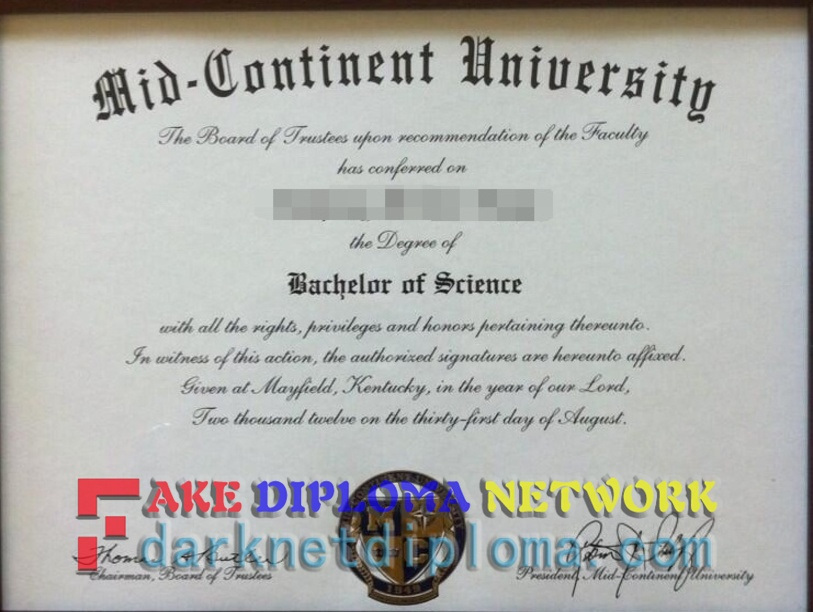
Genuine Mid-Continent University diplomas come with a specific seal or logo that differs from other institutions. Ensure the diploma you receive includes this distinctive feature.
3. Contact Information for Enquiries
A legitimate degree will include contact information for further verification, such as an email address or phone number to reach out directly to MCU’s admissions office or registrar's department.
Why Are People Confused?
The confusion around Fake Mid-Continent University Degrees stems from several factors:
1. Lack of Familiarity
Many employers and students may not be familiar with Mid-Continent University, leading them to question its credentials.
2. Similarities in Names
Some universities or colleges share similar names, which can cause confusion about the institution’s reputation and accreditation status.
Conclusion
In conclusion, while there might be some skepticism surrounding Fake Mid-Continent University Degrees, it is essential to look at various factors such as accreditation, recognition in the job market, unique seals on diplomas, and contact information for verification. By doing so, you can confidently distinguish between genuine and counterfeit degrees from Mid-Continent University.
By understanding these aspects, students and employers alike can ensure that a Mid-Continent University Degree holds its true value.